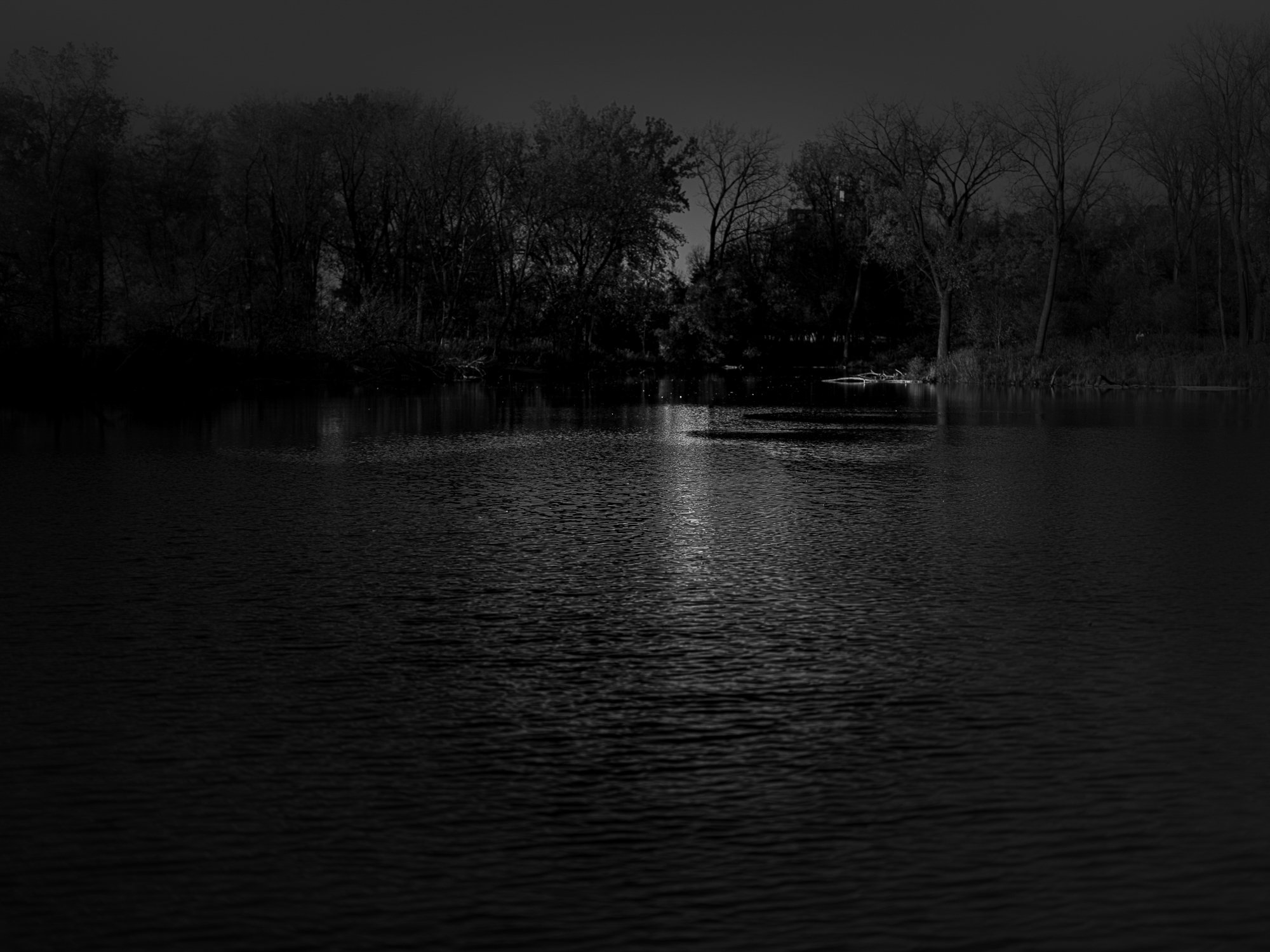
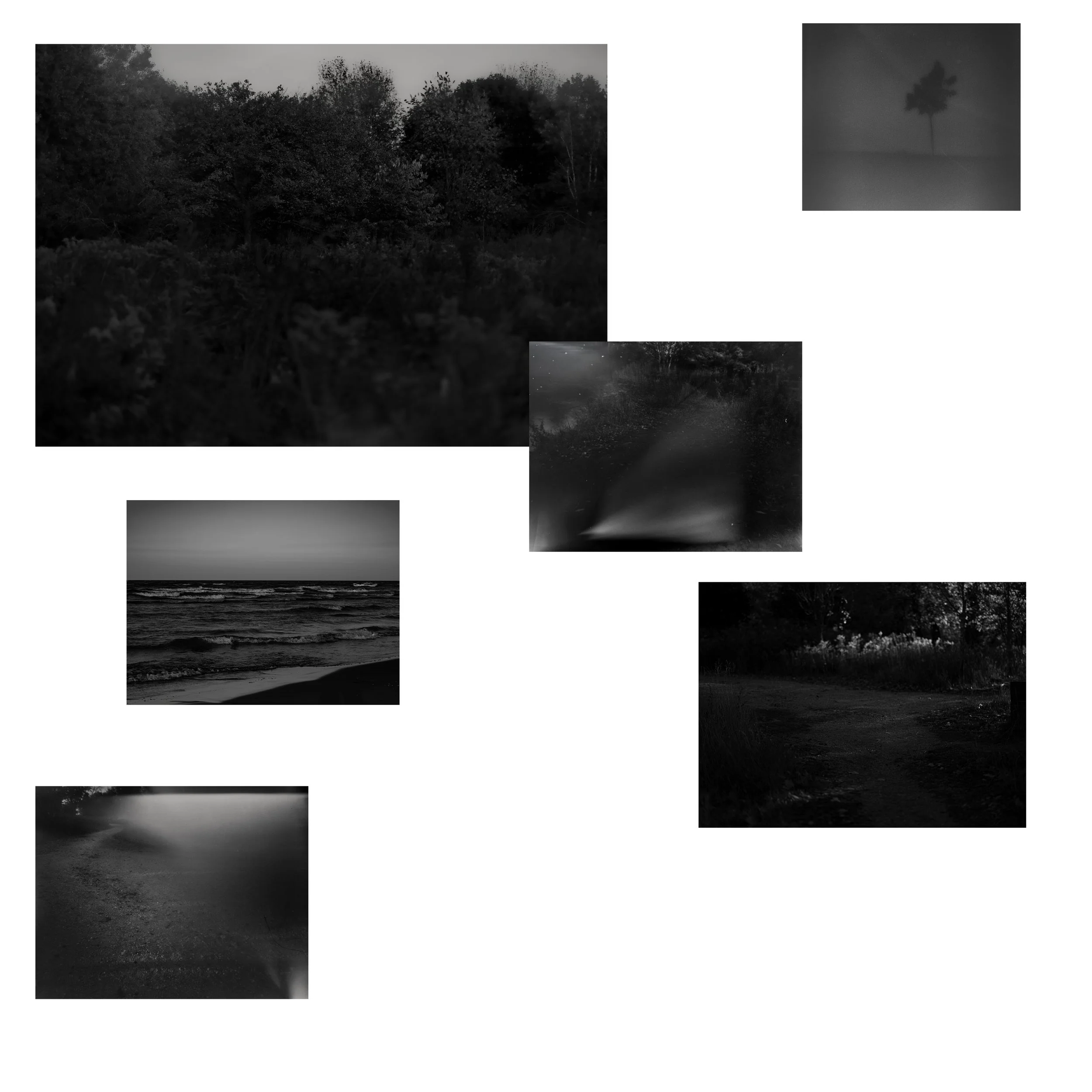
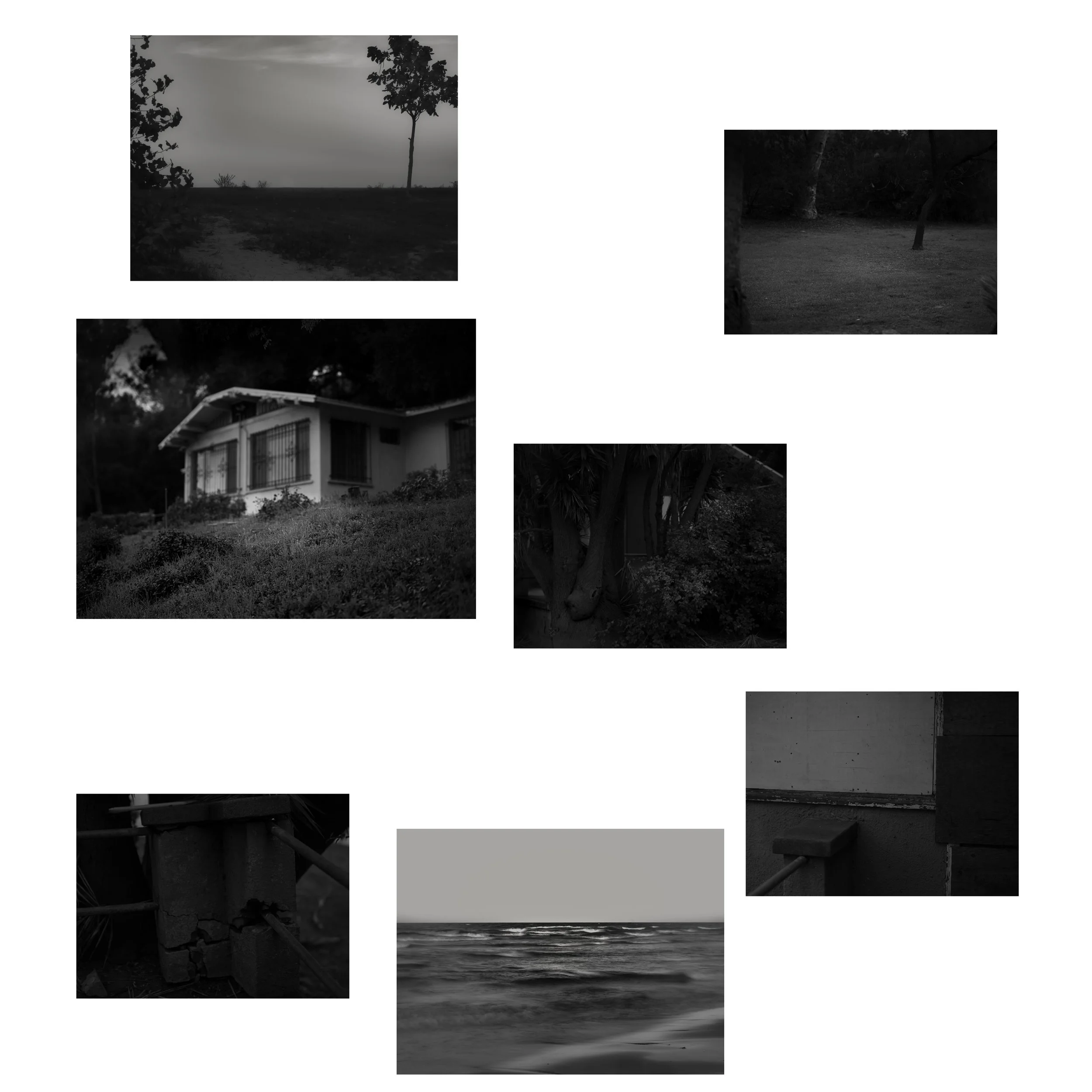
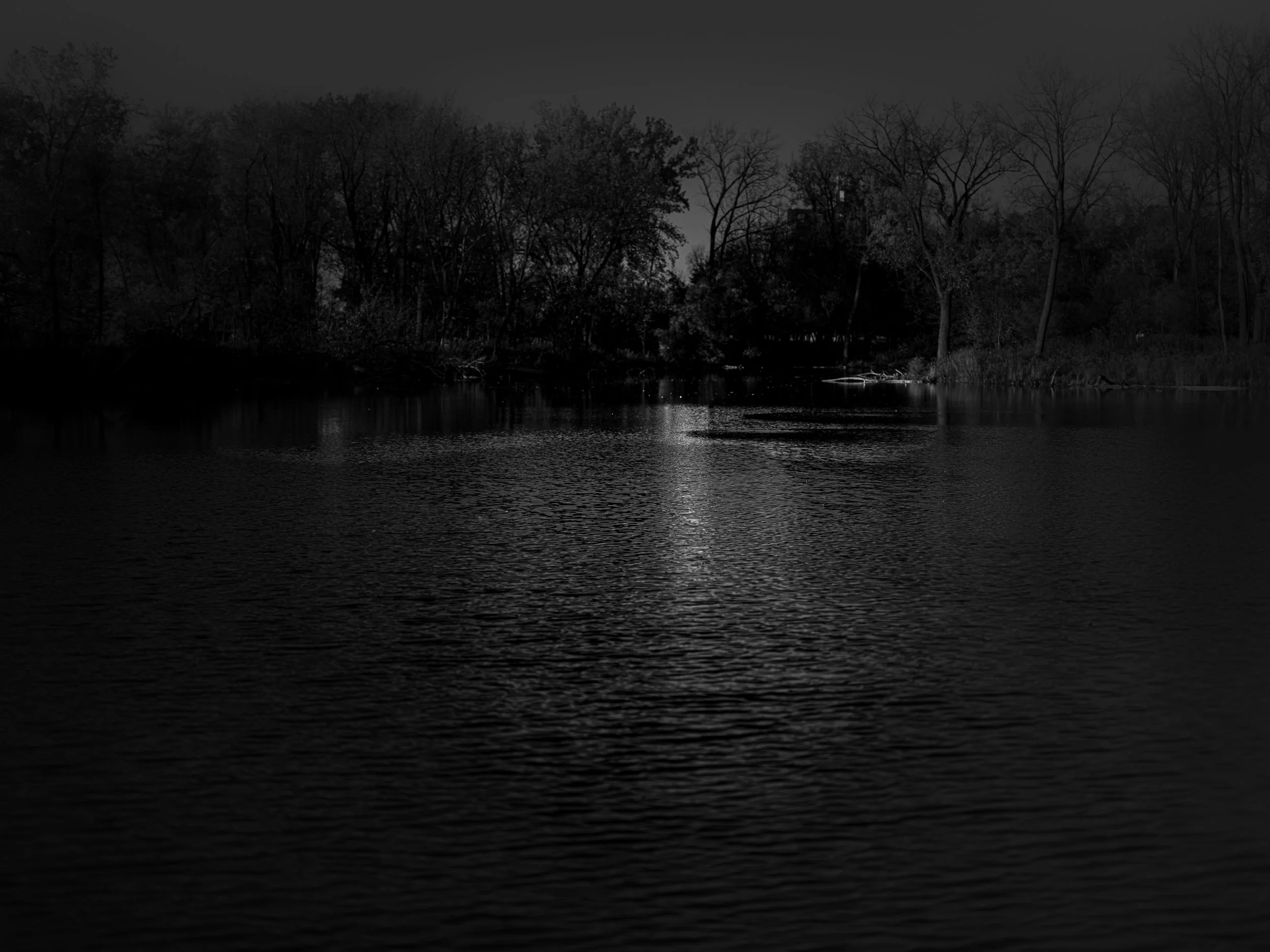
Shared memory through land is a power that can be both transcendent and traumatic. The land absorbs all that we put into it, holding the accounts of all those who traverse it. Over time, this trauma and history bind themselves to those who experience these environments, serving as both a graveyard and a shared addressing of space. There is a latent quality in the work that does not fully reveal itself. The image of the land is murky and dark, indiscernible unless the viewer becomes so intimately close that it consumes their entire field of vision.
Photographed in the series are images from Chavez Ravine, a community in Los Angeles, eroded and displaced by the corporate development of Dodger Stadium. I shift my focus to what remains of the land of the Potawatomi Tribe, one of many Indigenous tribes of the Great Lakes, violently torn from their place of origin and forced to move west and southward in 1837 due to the Indian Removal Act of 1830. This land now lies within West Ridge, a nature preserve and neighborhood in North Chicago, with its story erased. Coming from South Central Los Angeles, a Black and Brown community often ravaged by gentrification, and from an American Indigenous background shaped by displacement, traversing these areas felt deeply personal. When exploring the sites, it felt altered rather than refashioned, marked by absence. Walking and photographing these lands filled me with grief and a sense of the displacement buried in them. These shared memories should transcend the photograph, not for enjoyment or understanding. Rather, for immersion, and as a two-way conversation across time and between the photographic past and present.
Left behind by these sites are pieces of concrete, tree bark, and foliage, all of which have been altered to resonate with histories of erosion and settler colonialism. These fragments of construction are printed with images of what they have destroyed and displaced. By modifying these objects using alternative development techniques, I reflect on how both changes are irreversible. Land will hold this trauma forever, just as chemicals change the print. These interruptions and latent quality imply a history not fully resolved, peering over and haunting the land and its context.
These objects, left behind and repurposed, are monuments; they serve as commemorative representations of what has been fractured, stolen, and forgotten. The physical objects subvert themselves; they are not photographs of something, but entities in their own right, confronting us with man’s perceptual agency. The debris is pensive; static and frozen in thought, it draws the spectator in. The absorption of the past through the image, a manipulated surface that has borne witness to these damaging events and has been removed from their original space and context. These traces of what remains are imprinted on these objects; the photograph traces the past and questions it.
The photographic prints as well as photographic installations reckon with an account of settler colonialism and capitalism, constantly warped, shaped, and rewritten. How does the land react to those who step upon it, those who traumatize it? How does the body react when traversing said lands, lands that might have a familial connection to them, or lands fully foreign? Looking back almost two centuries, after the Potawatomi Tribe's removal and over half a century after the removal of the residents of Chavez Ravine, the photographs are intended to help us look back at these haunted lands. Maybe through some sort of connection, whether it be heritage or a shared relative history, the death, pain, and injustices are displayed and called here. There is a weight that remains within these images; the perception created is of one sitting in swathes of pain, death, and, as mentioned many times, shared memory.
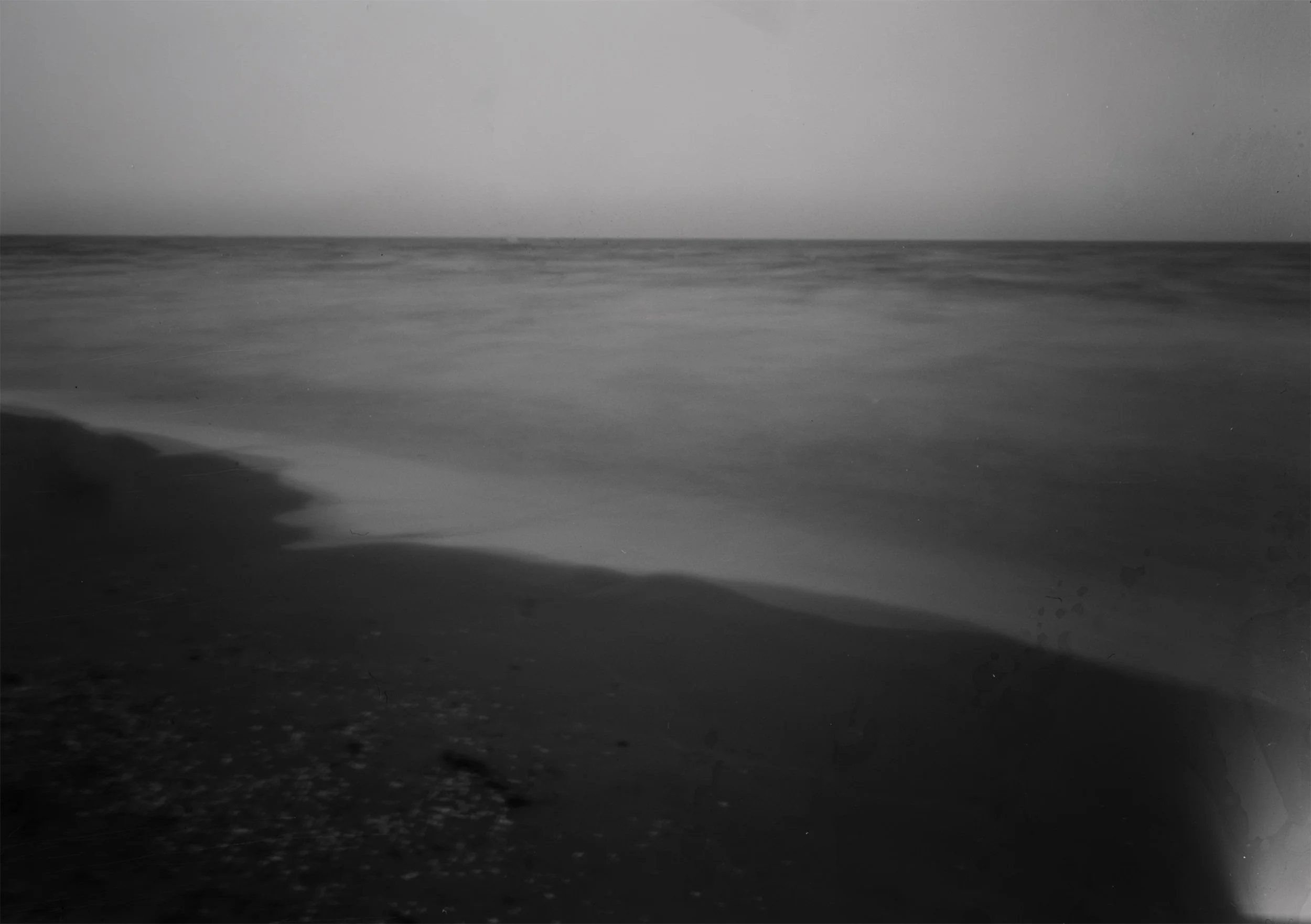
Tide #3 (Pinhole)
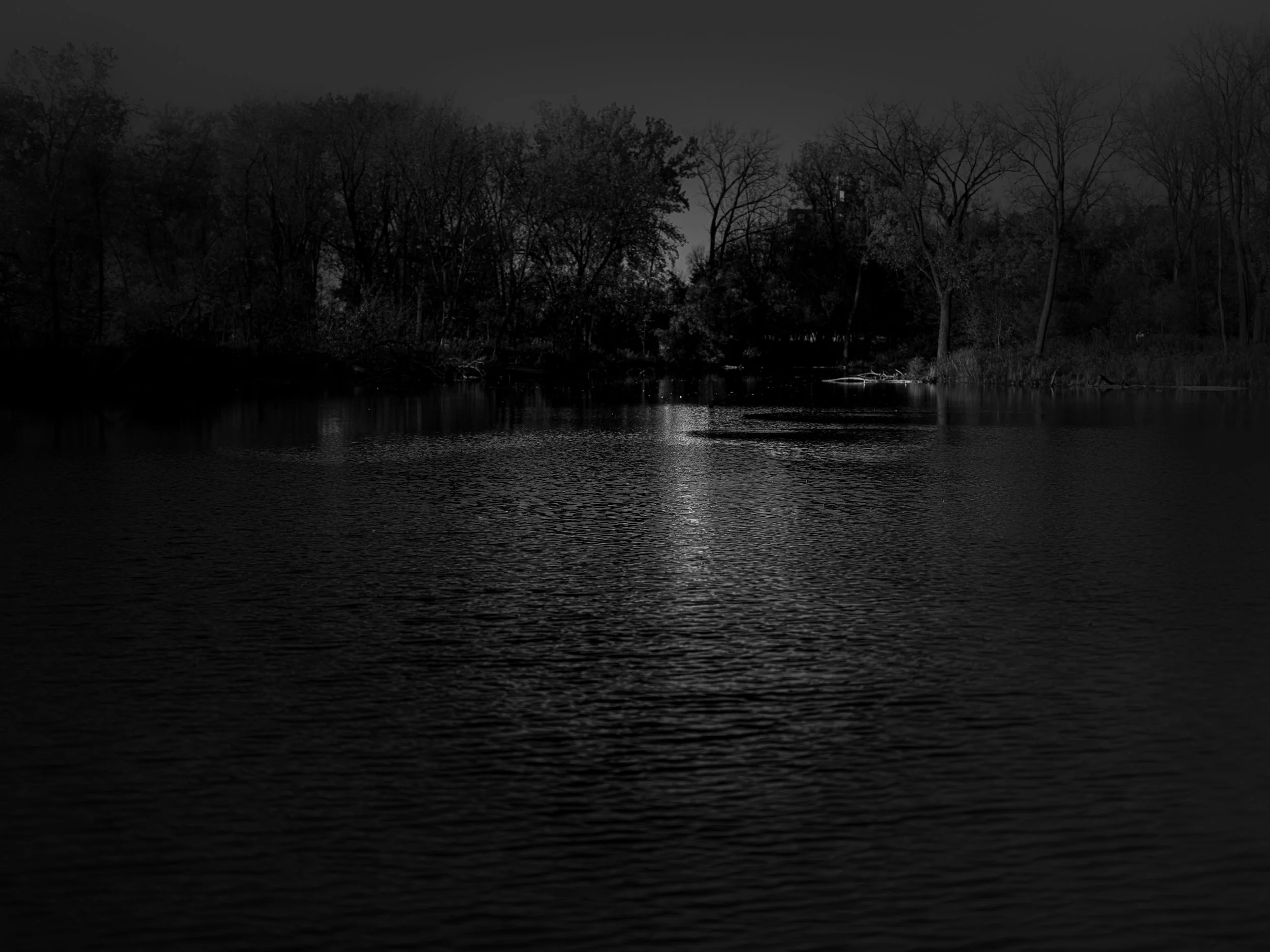
Shared Memory #4
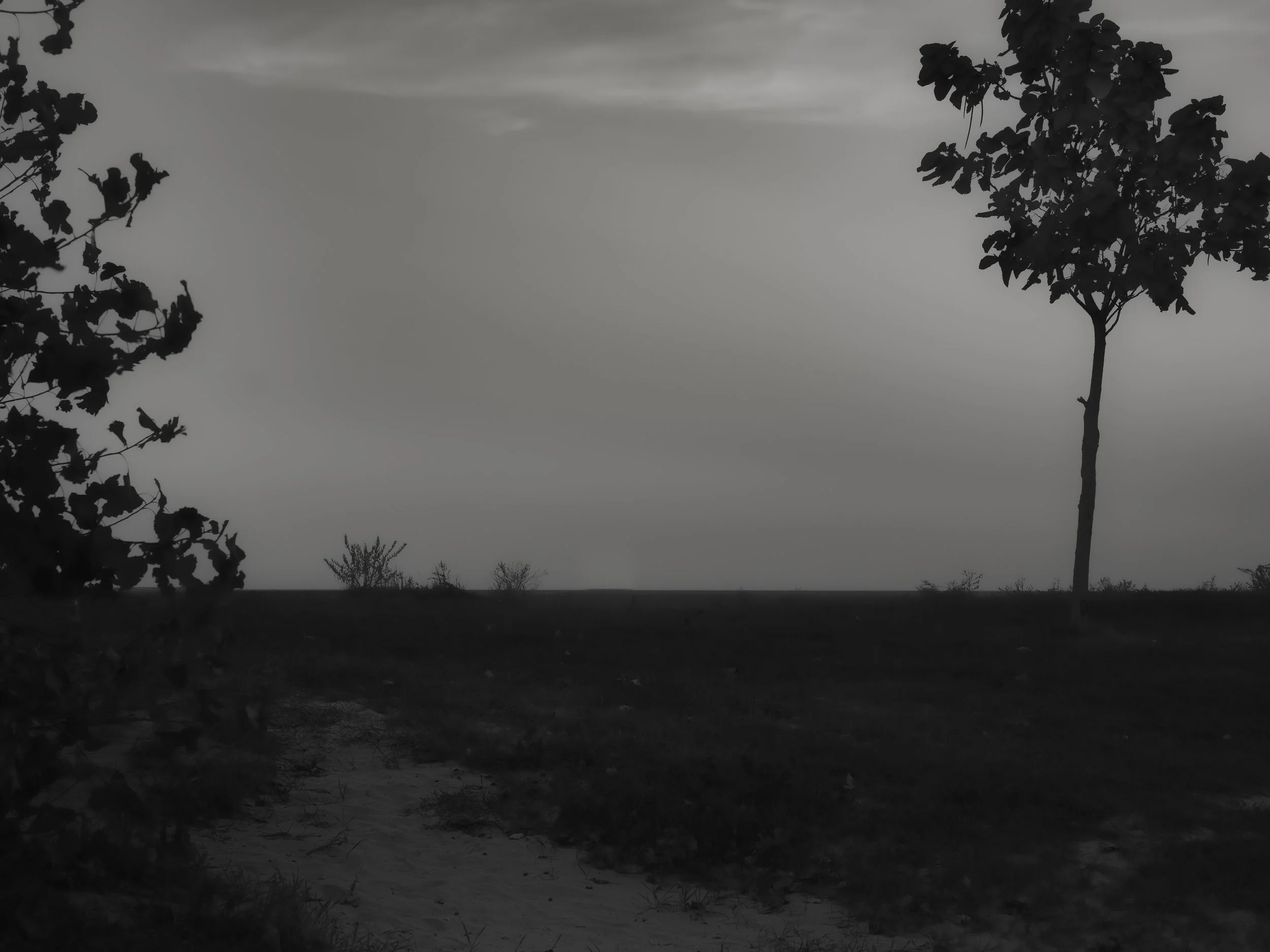
Shared Memory #1
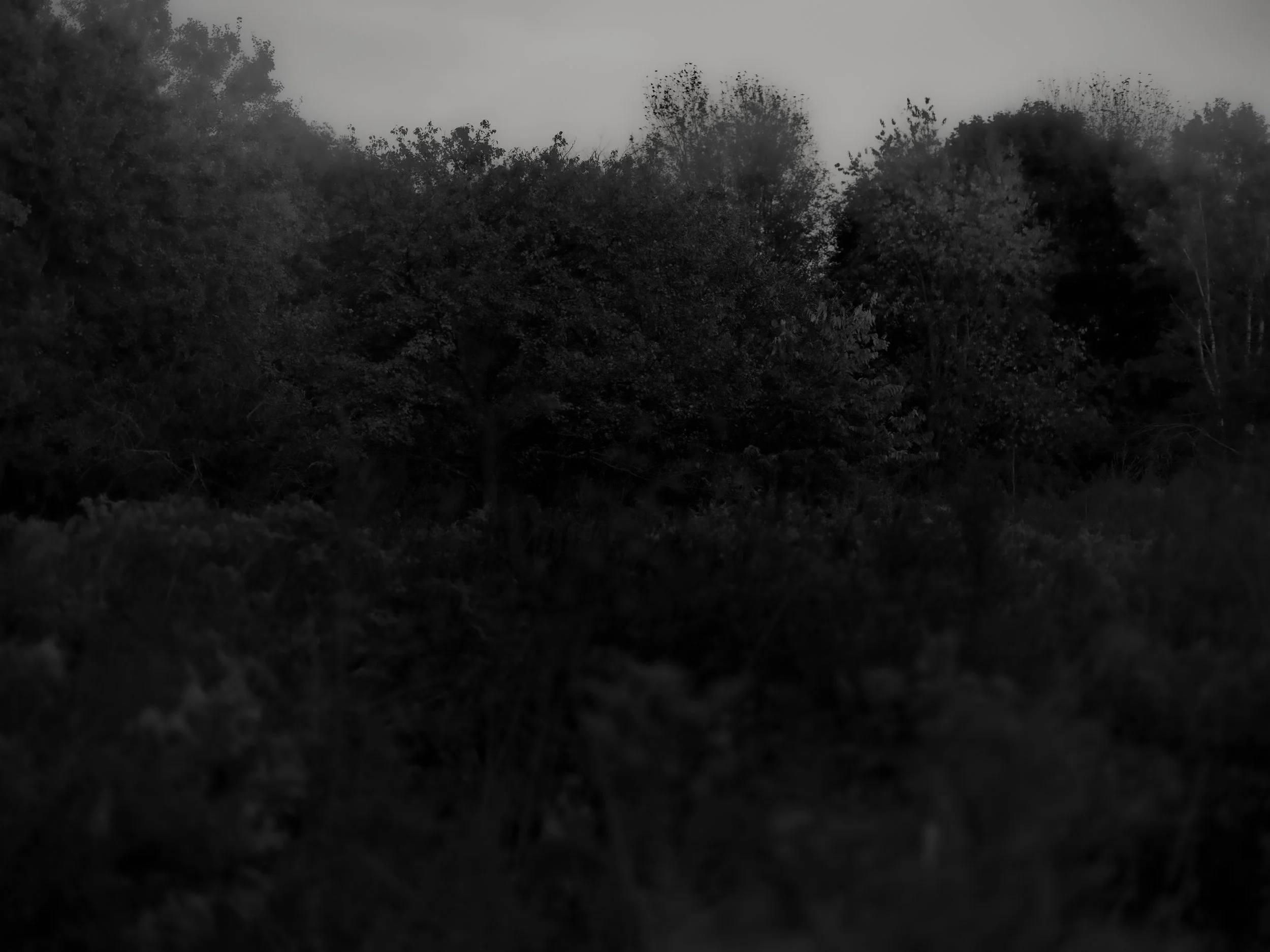
Shared Memory #2
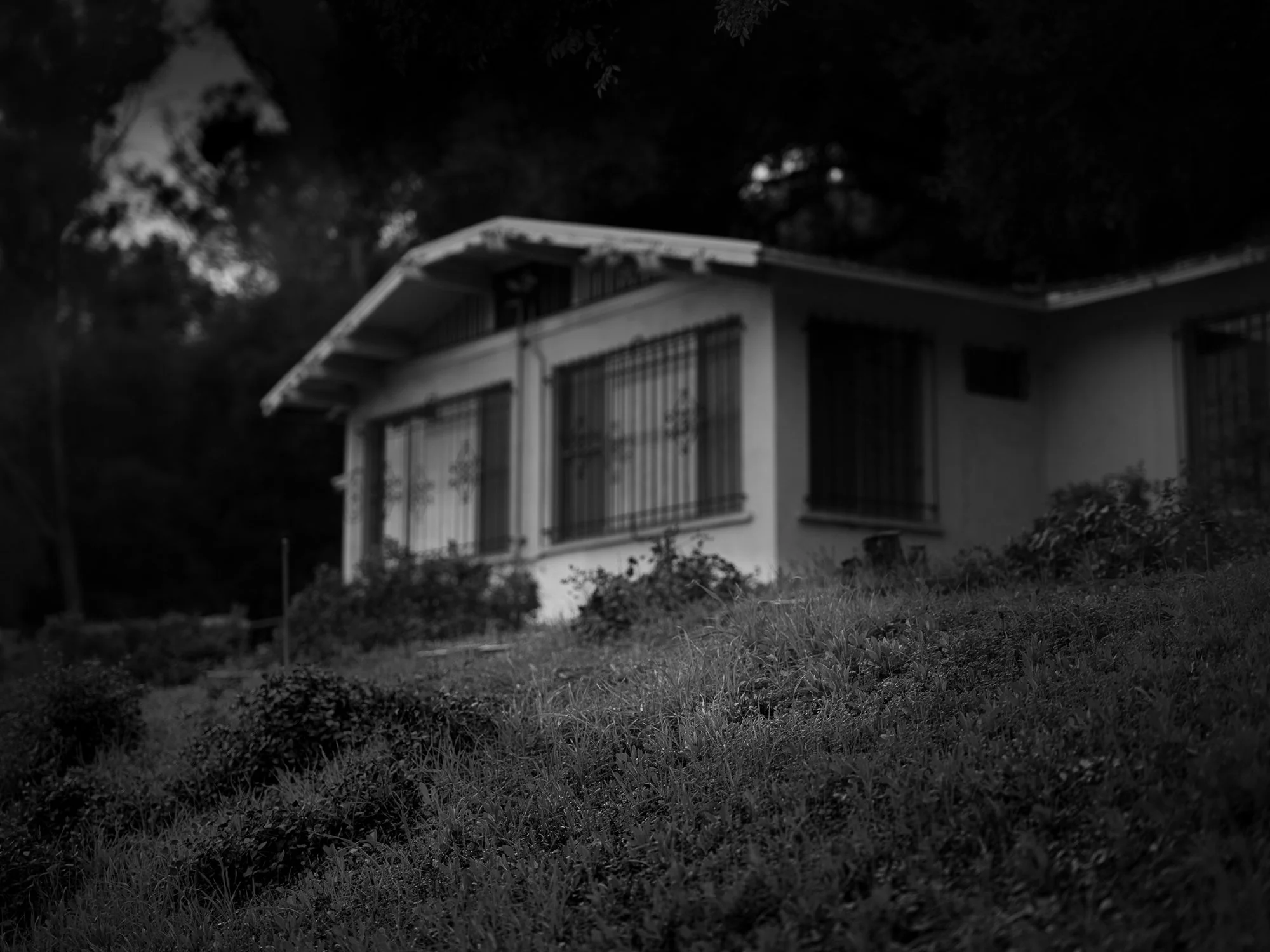
Chavez Ravine #4
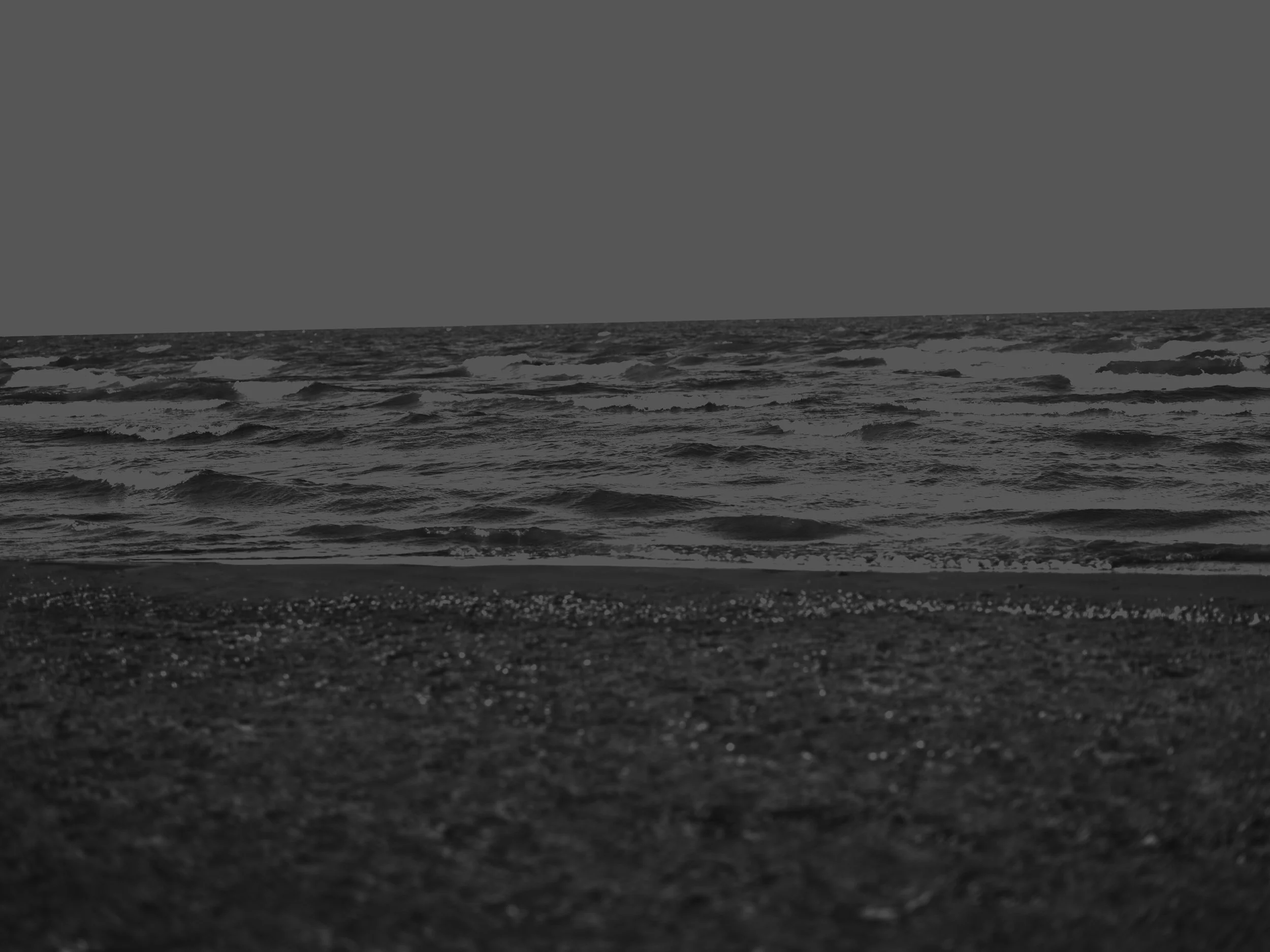
Tide #1
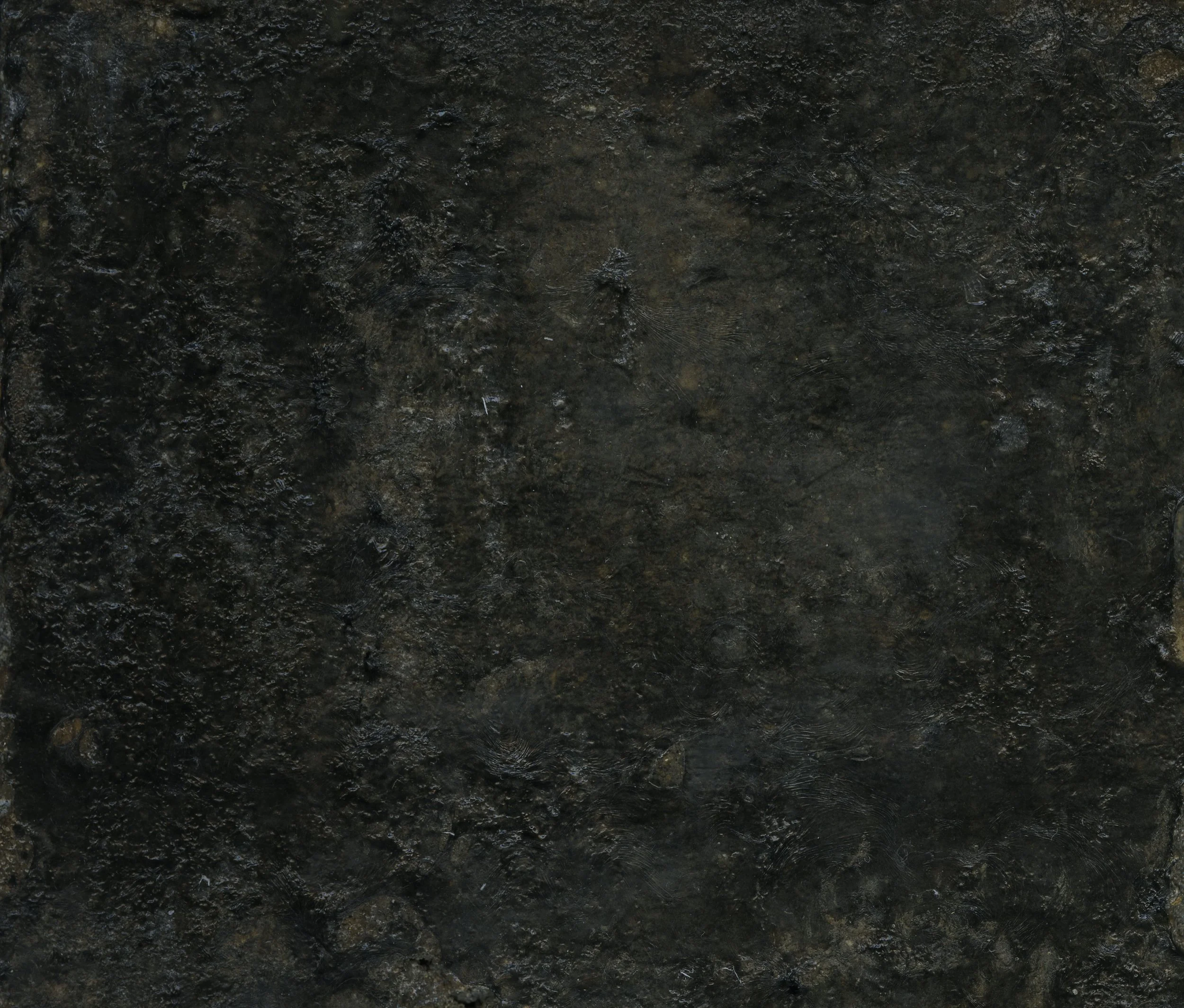
Shared Trail #6 (concrete print)
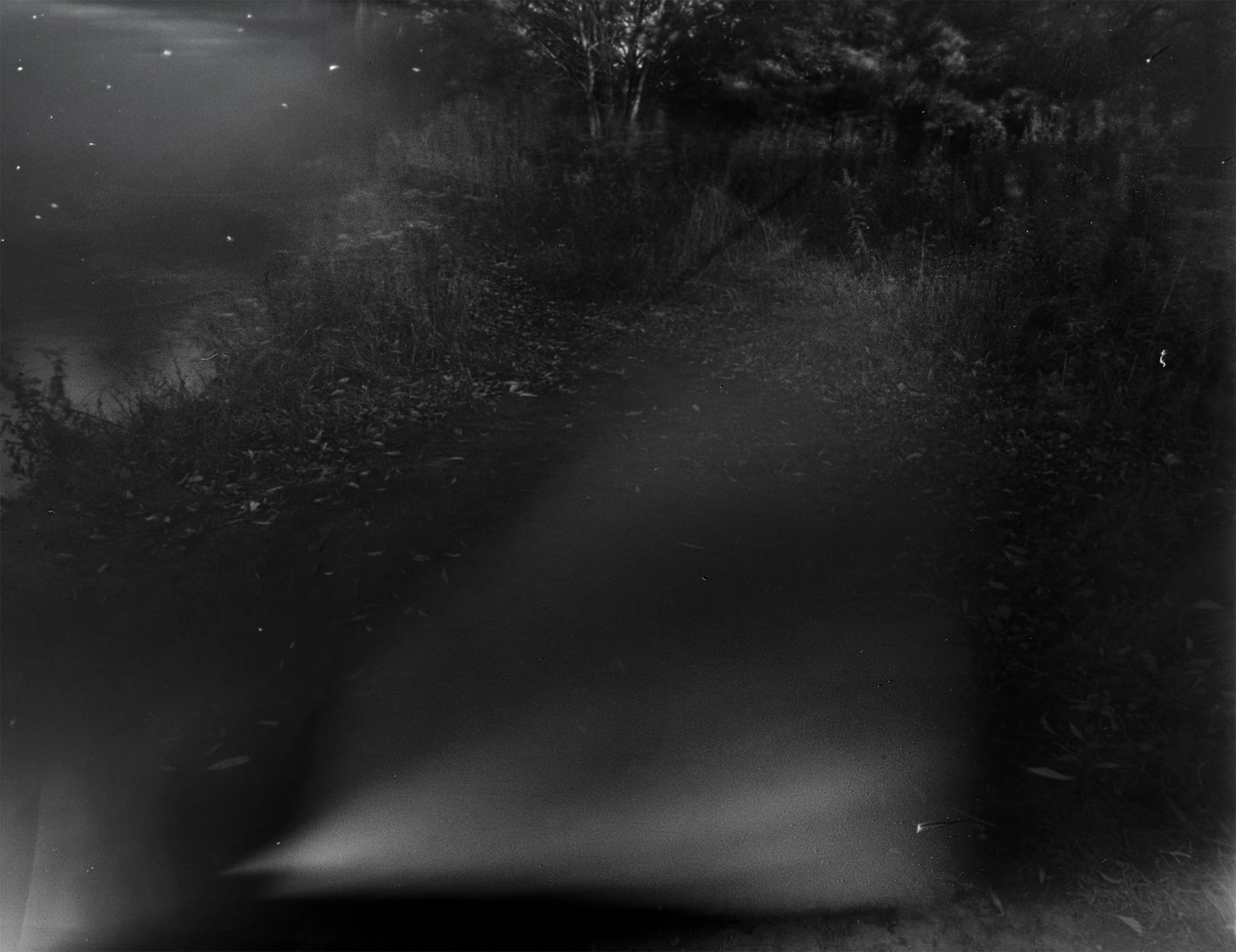
Shared Memory #7 (pinhole)
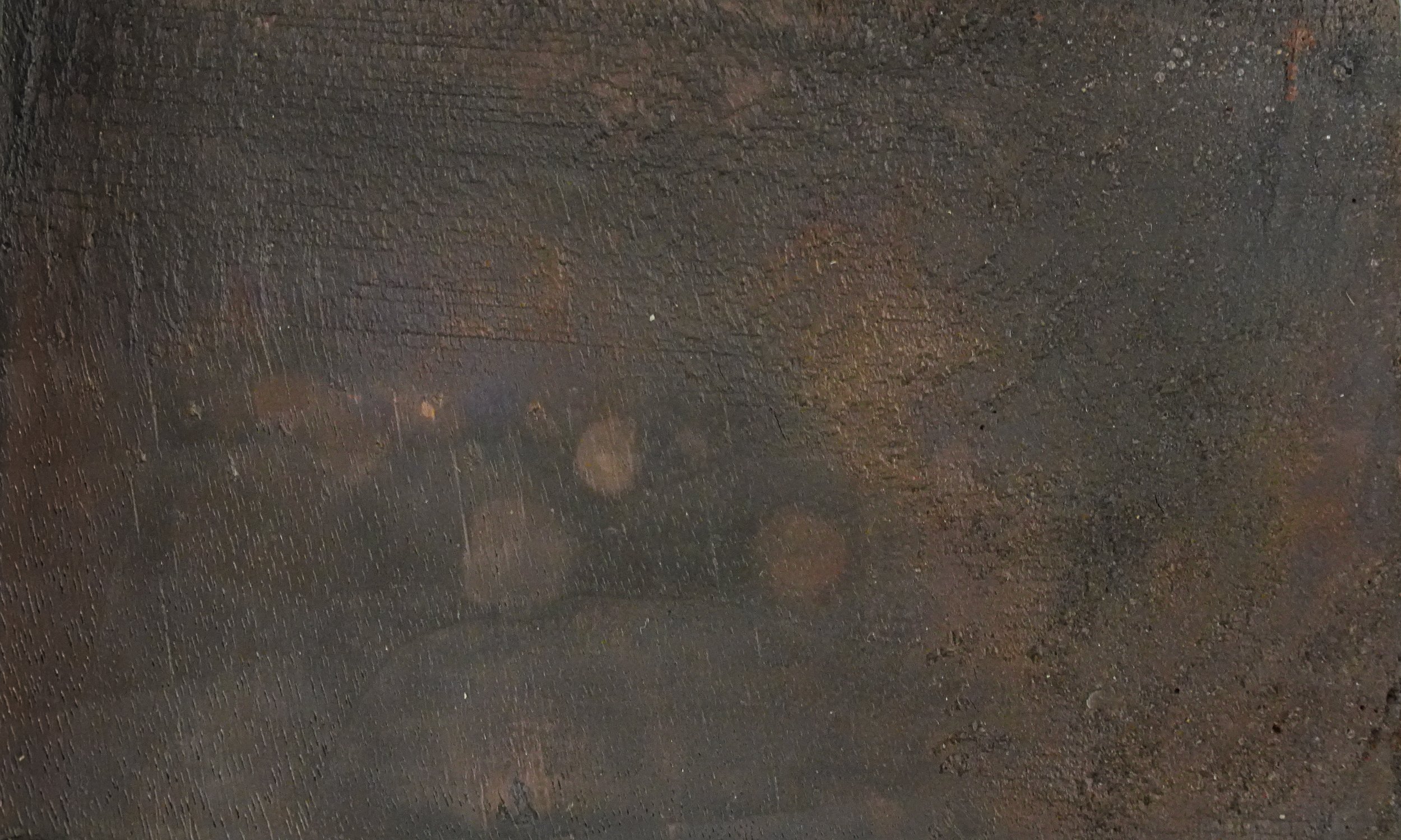
Chavez Ravine #4 (woodprint)
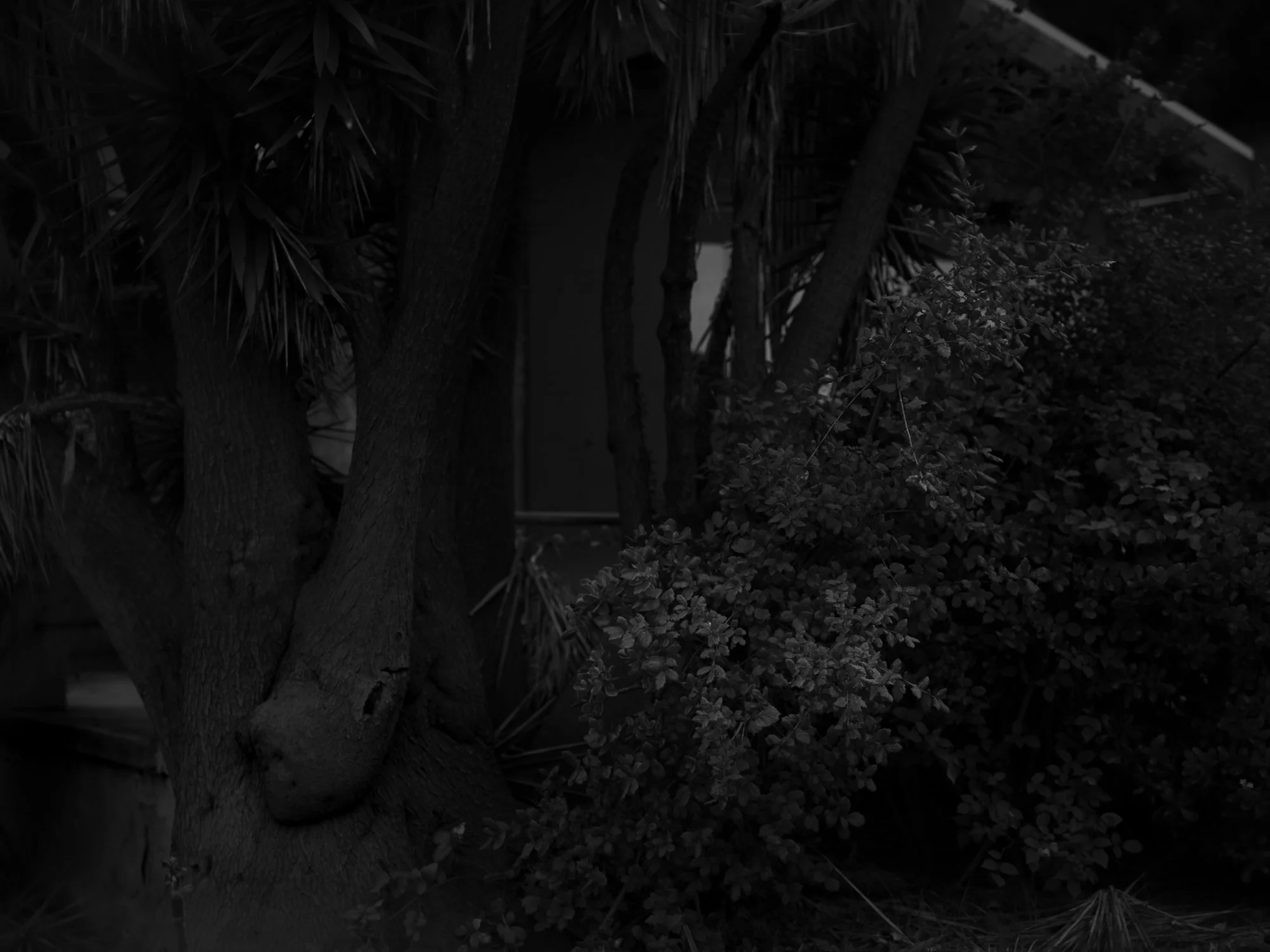
Chavez Ravine #5
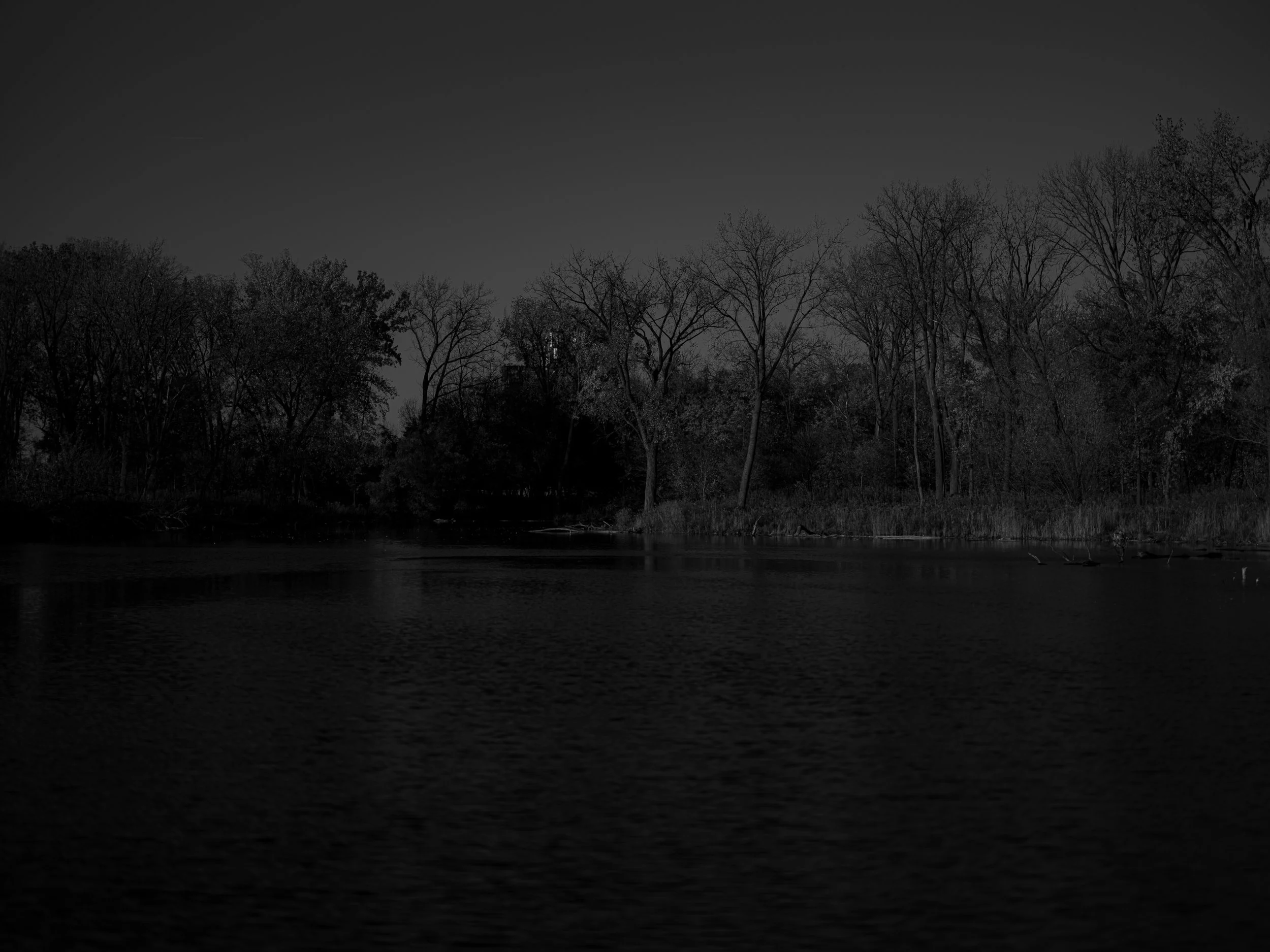
Shared Memory #3
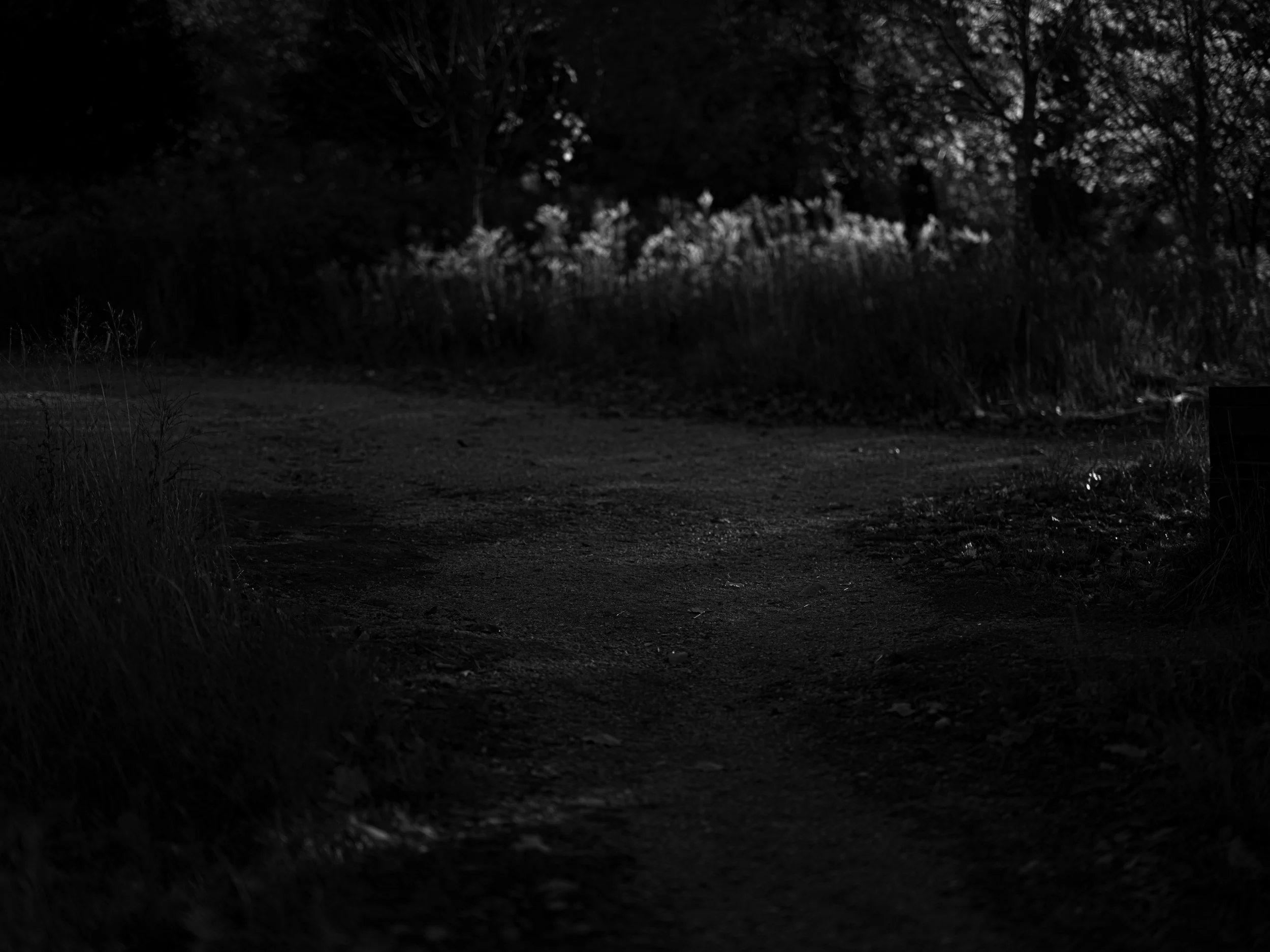
Trail #6
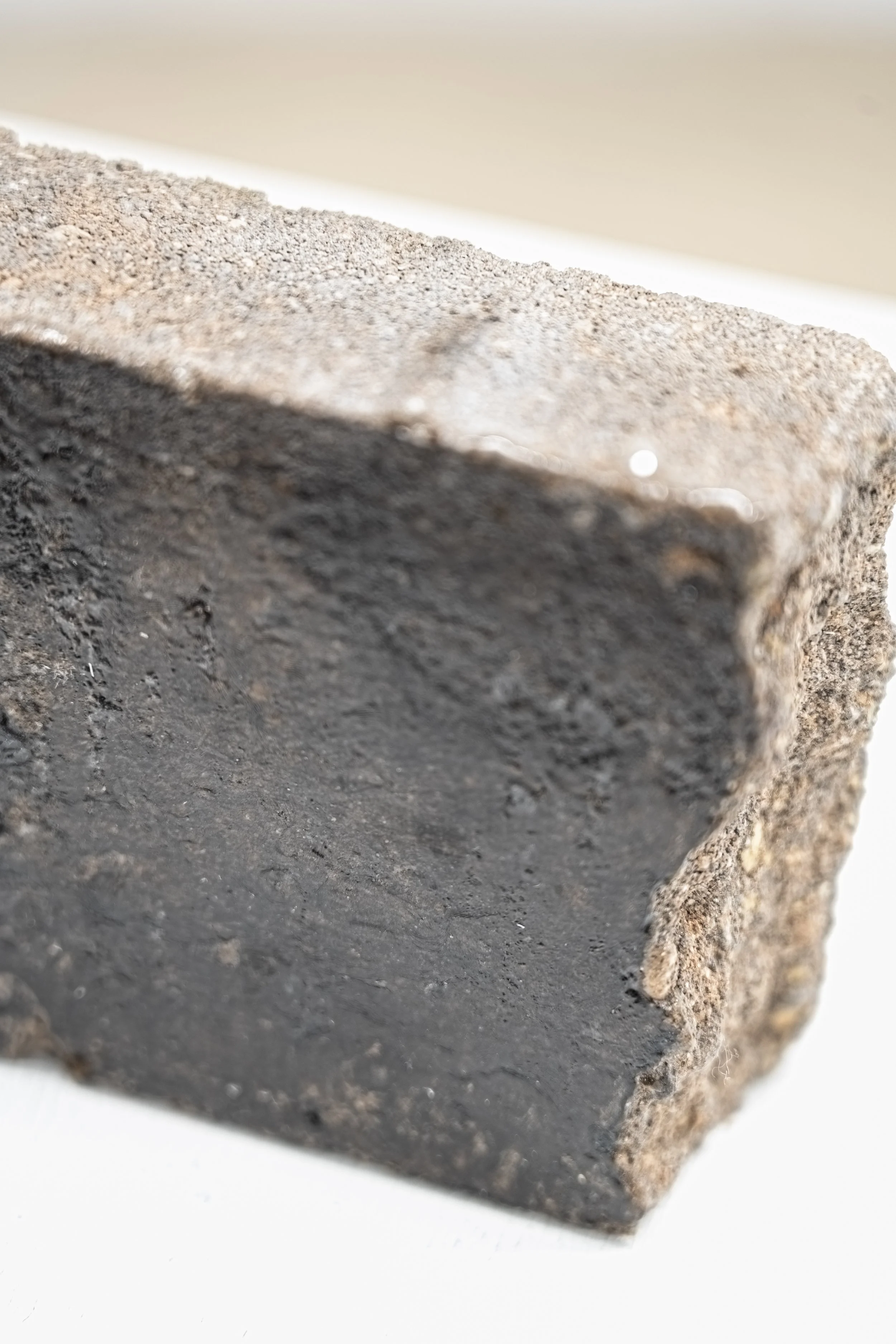
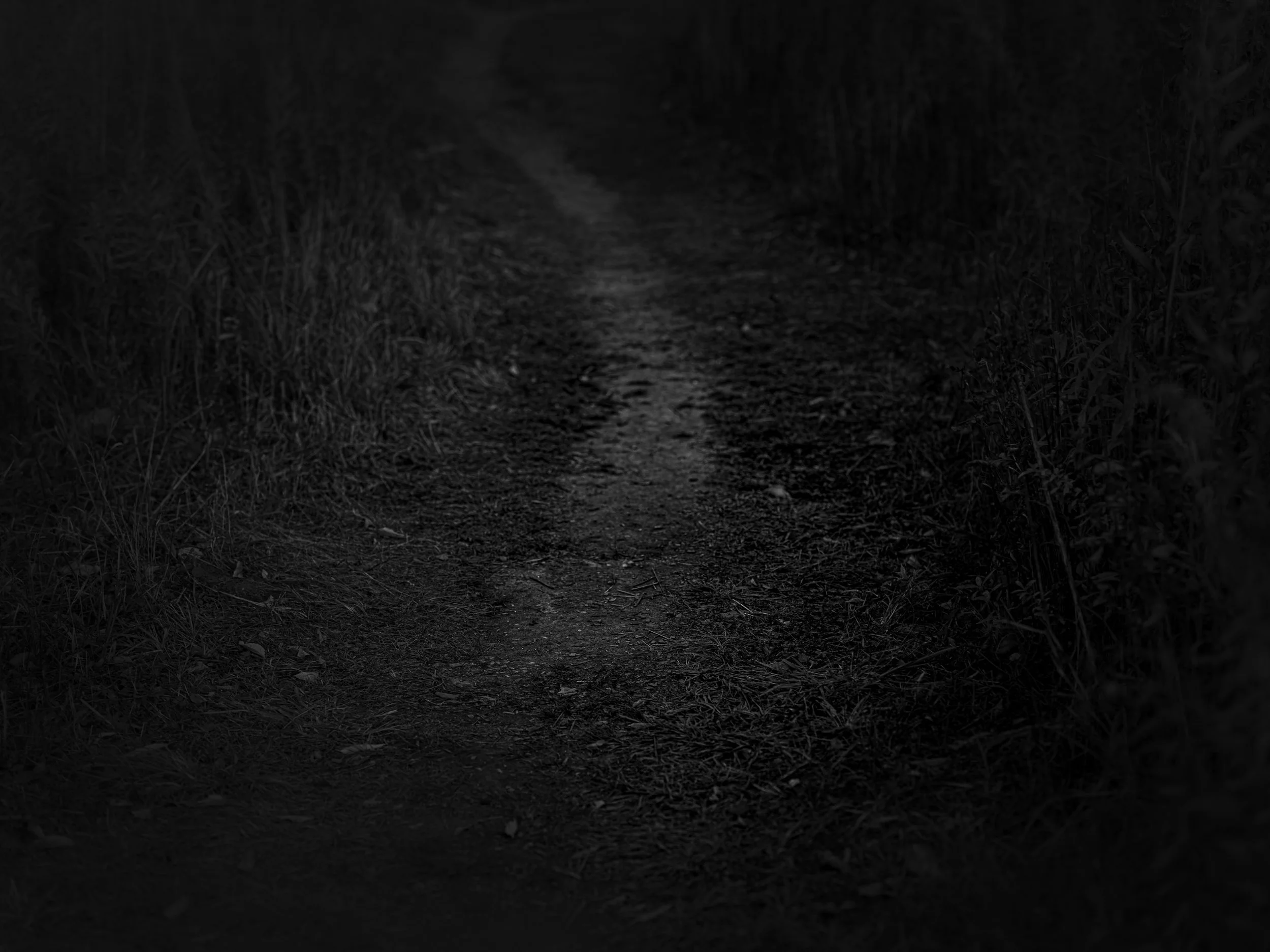
Shared Trail #6
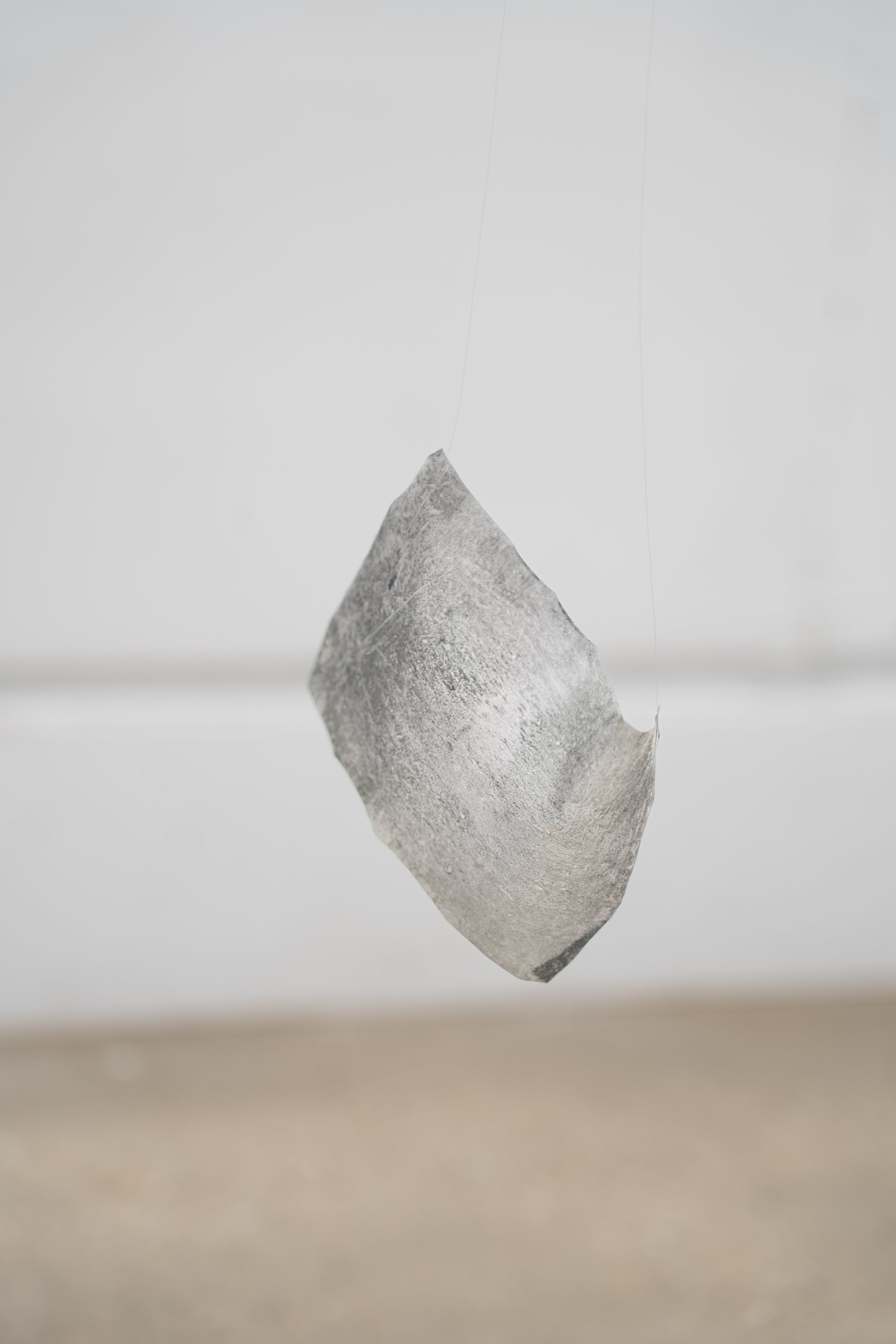
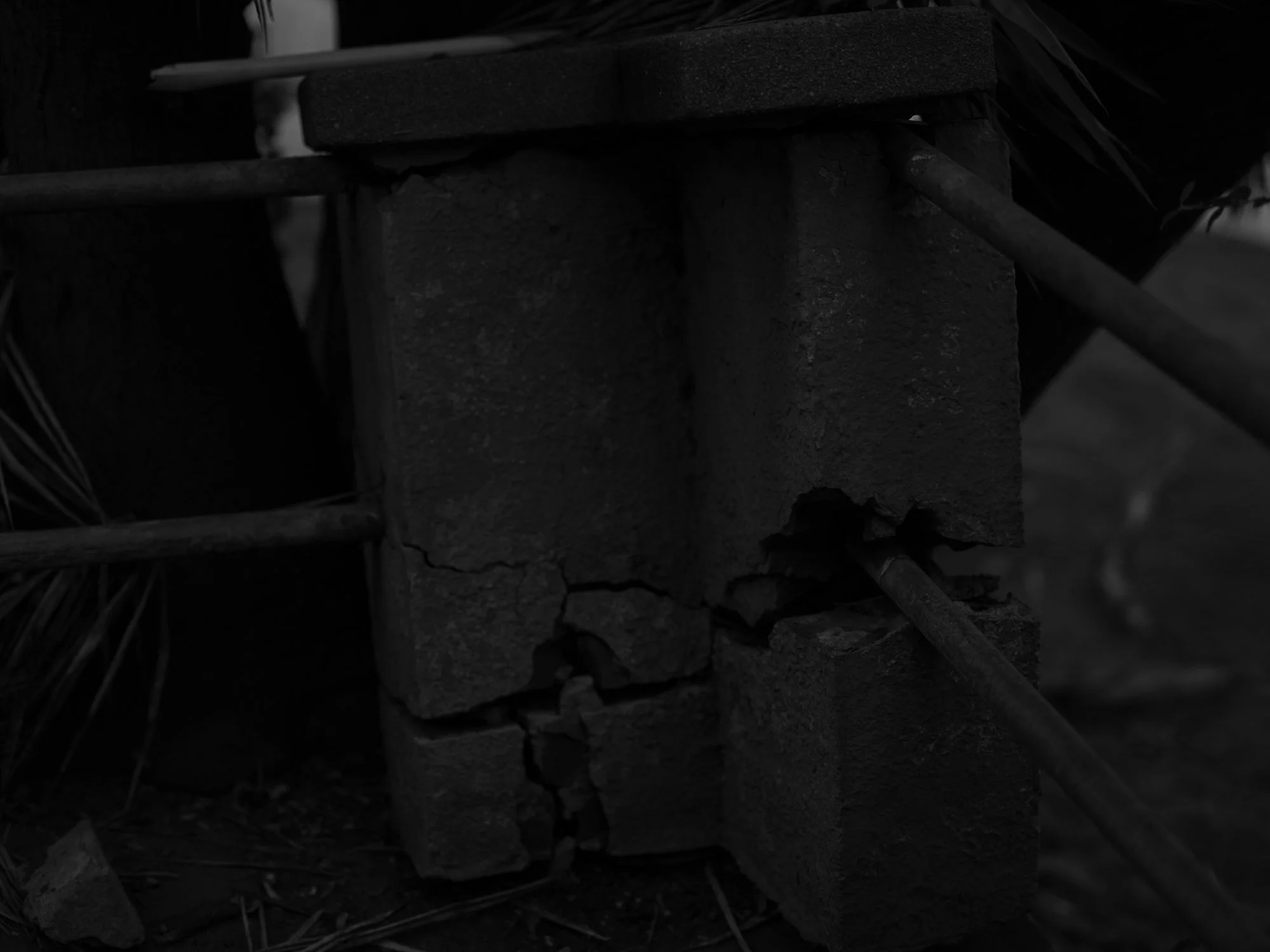
Chavez Ravine #6
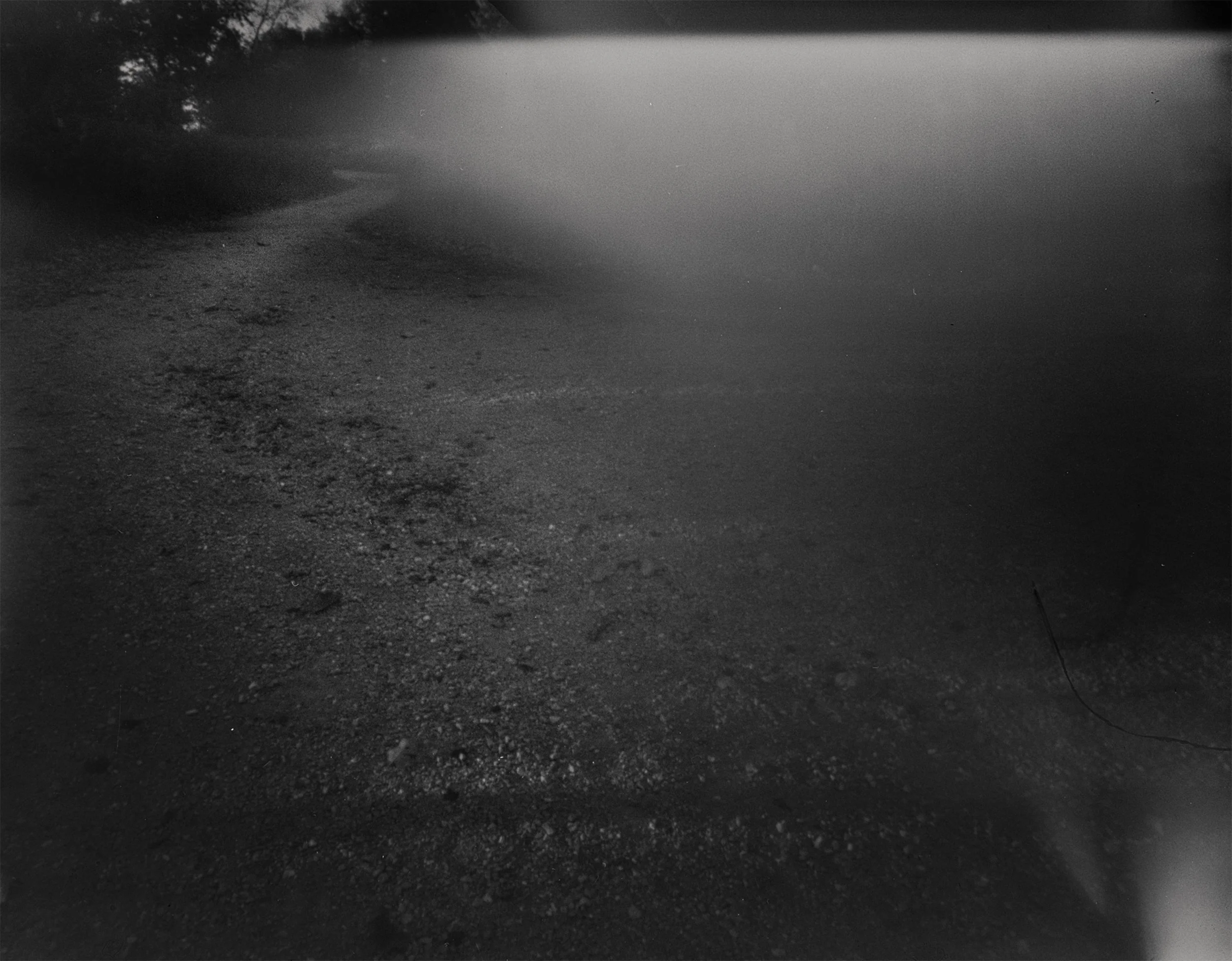
Shared Trail #1 (pinhole)
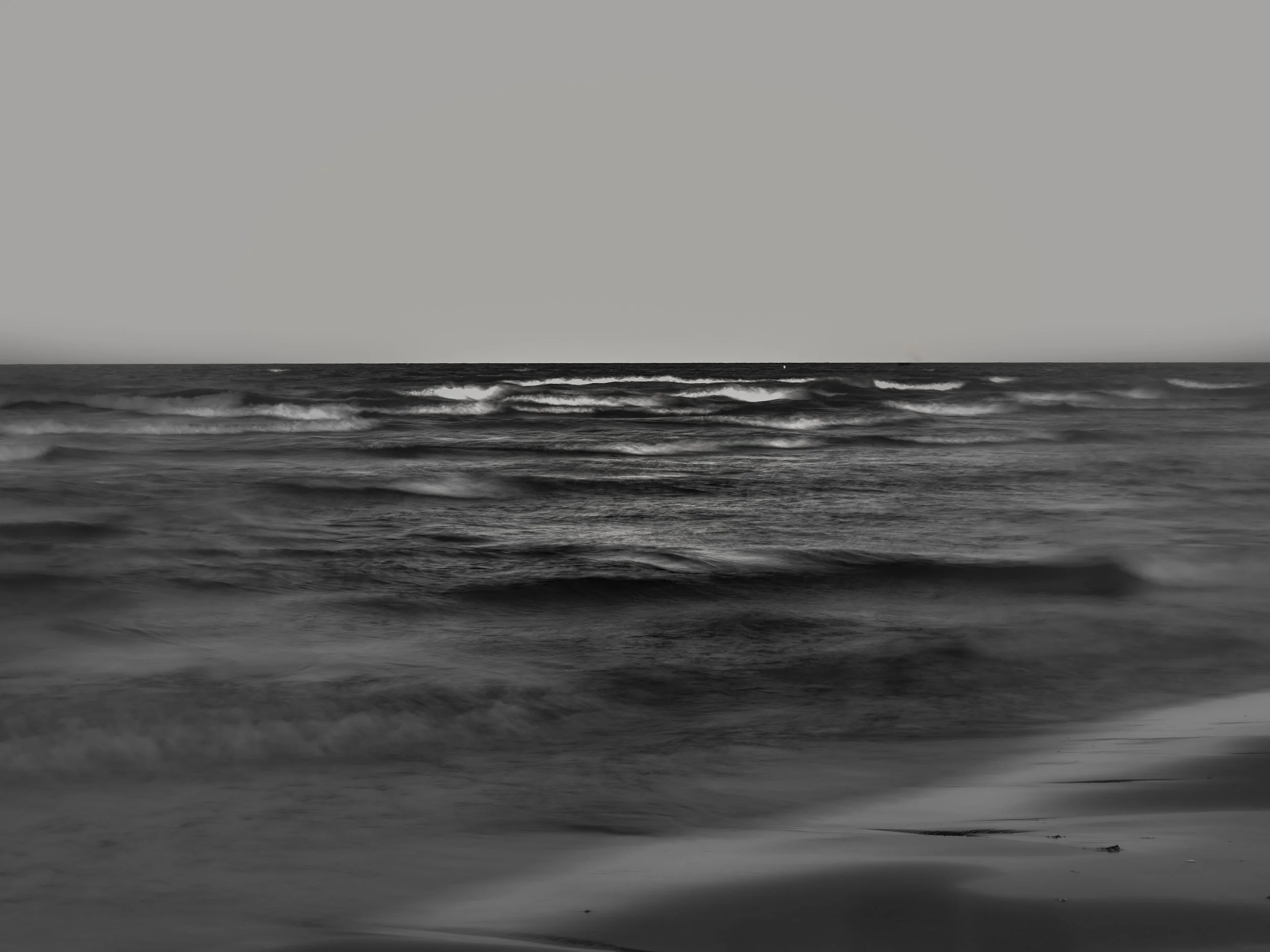
Tide #2
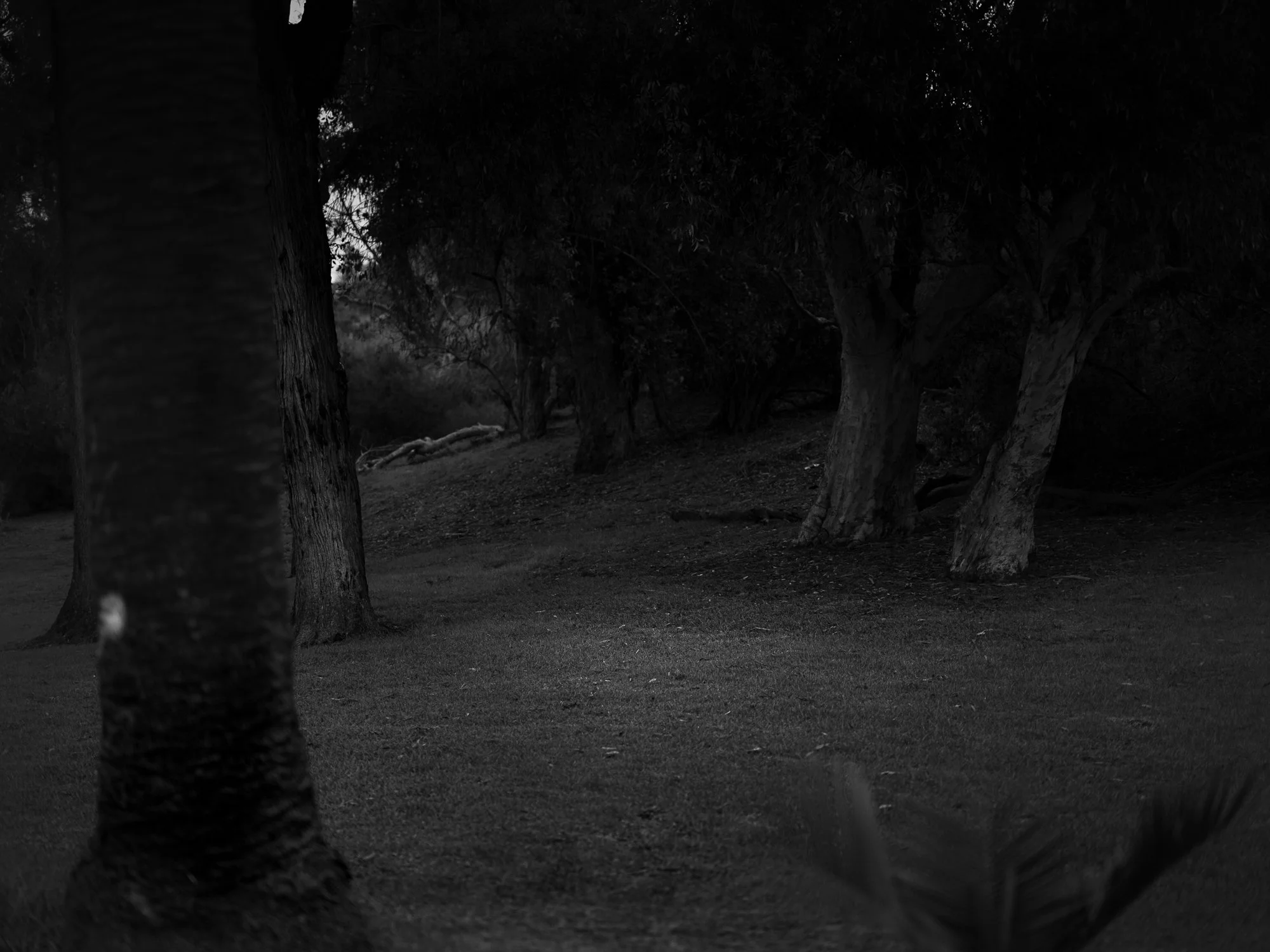
Chavez Ravine #2
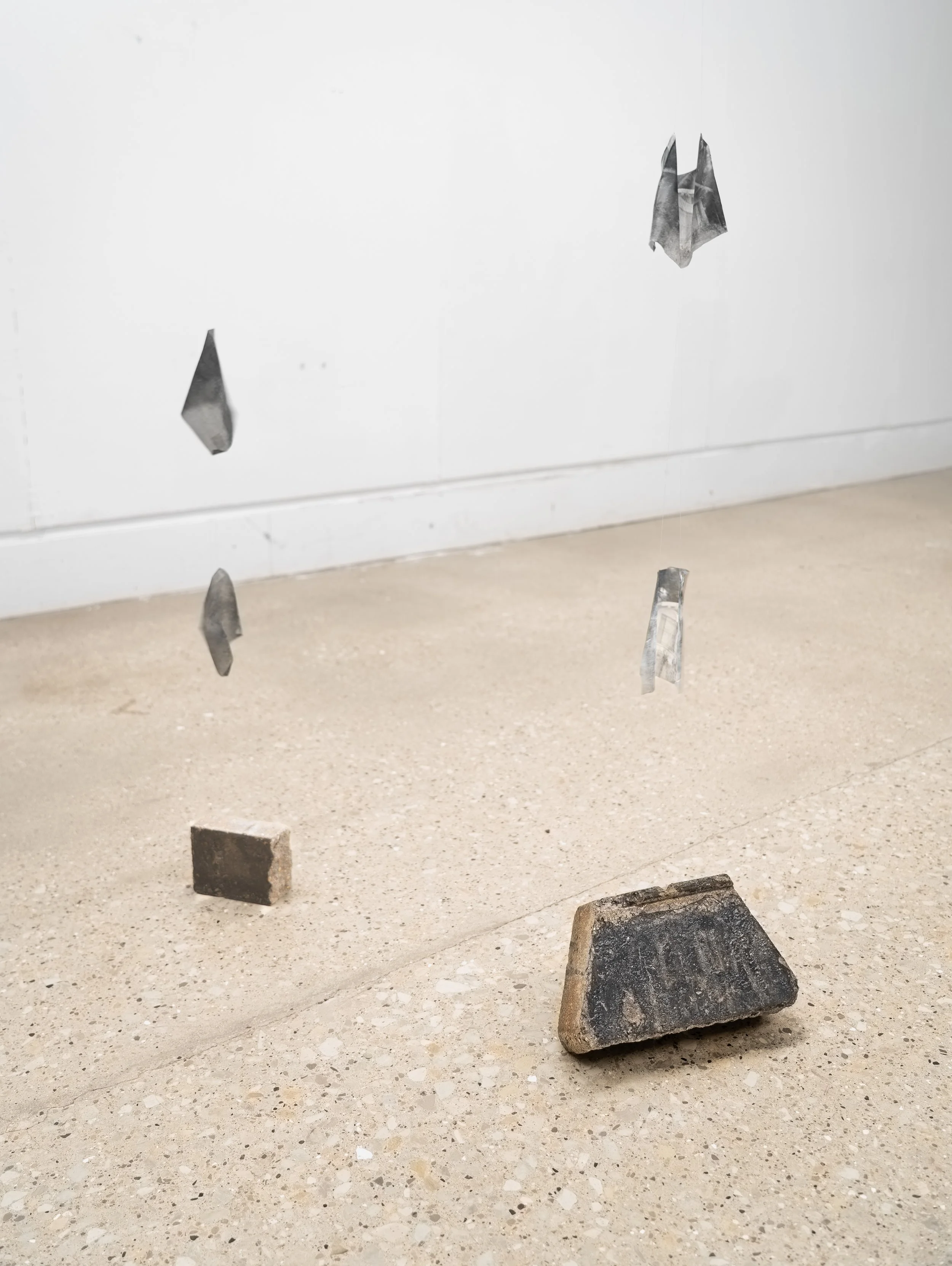
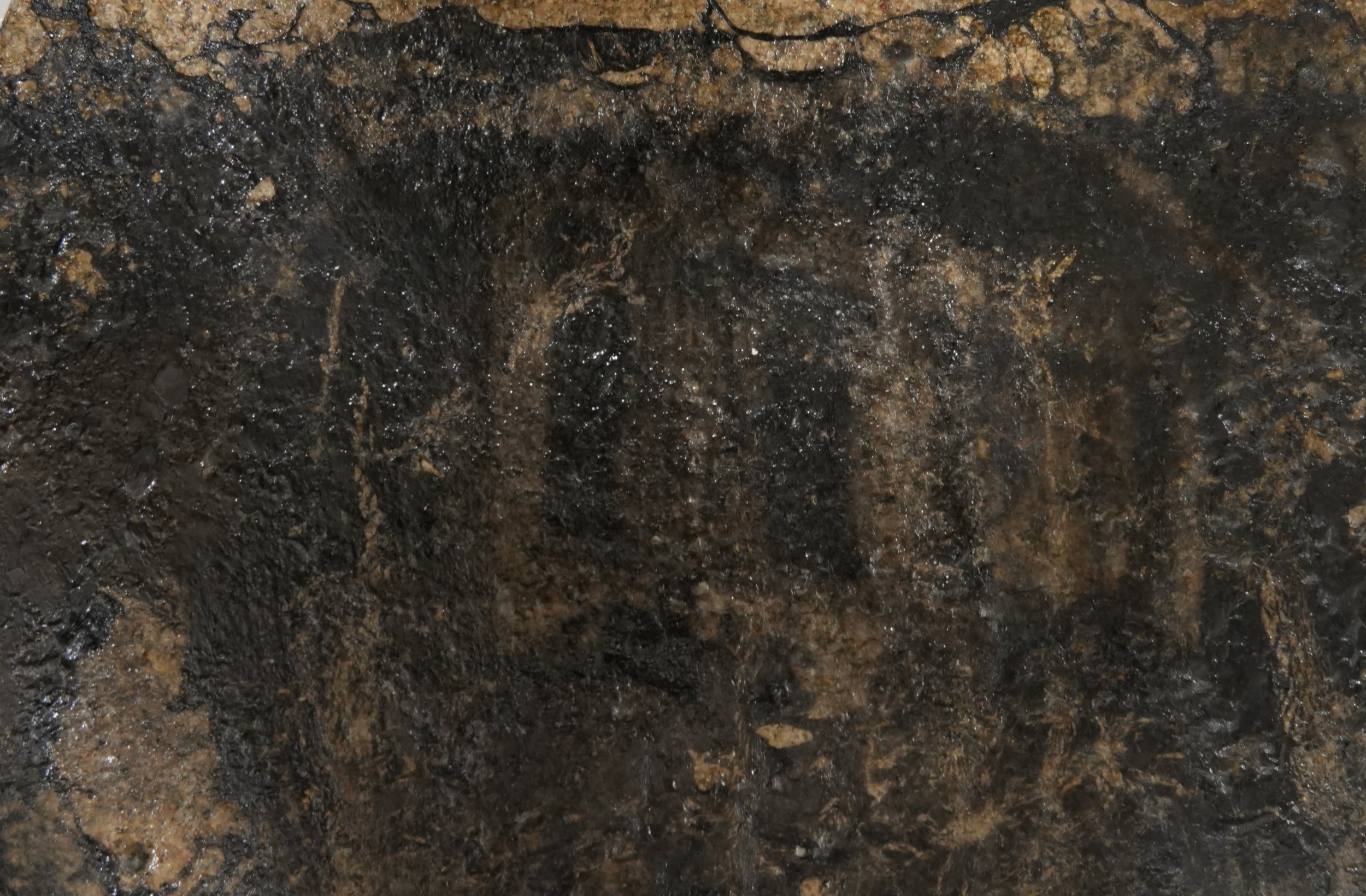
Chavez Ravine #4 concrete print